The Department of Agriculture (DA) and the Overseas Workers Welfare Administration (OWWA) are offering one possible answer through the Balik Agri-OFW Agribusiness and Investment Reintegration Program. It is designed for OFWs who want to use their savings and work experience to start a farm, livestock, fisheries, or food-related business in the Philippines.
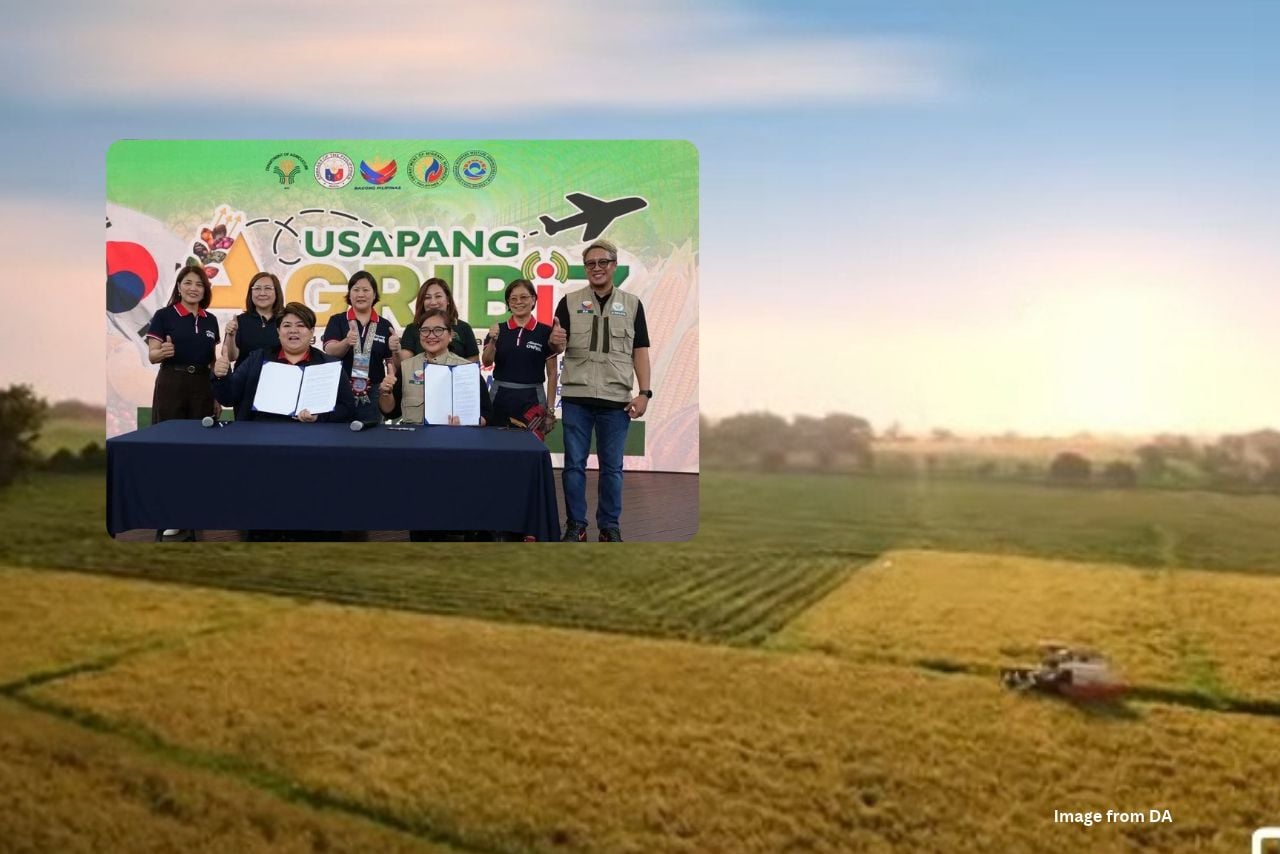
The DA and OWWA formalized the partnership through a memorandum of agreement on October 4, 2026. The program is open to returning and prospective OFWs, as well as former and repatriated workers and their beneficiaries, with the full details—including info on the training, financing, and enterprise support available to participants—explained in the DA’s official announcement.
What OFWs Can Expect
The program acts as a guide for OFWs moving from overseas employment to running their own business in the Philippines.
- Help in choosing an agribusiness venture
- Support in preparing a business plan
- Training based on the chosen enterprise
- Access to financing and livelihood programs
- Market linkages and technical assistance
Funding may be coursed through Agricultural Credit Policy Council loan programs and OWWA livelihood or grant programs. The DA clarified that all assistance will still follow existing eligibility rules and program guidelines.
Business Ideas for Returning OFWs
The DA prepared investment menus to help OFWs match a venture with their budget, skills, and target market.
- Native pig raising
- Native chicken production
- Duck or itik farming
- Oyster mushroom growing and processing
- Lowland vegetable farming
- Other agriculture and value-adding enterprises
The program is not limited to planting or raising animals. OFWs may also explore food processing and other value-adding businesses that can earn more from farm produce.
Why It Matters
Many OFWs send money home for years, but fewer have a clear plan for what they will do once they return permanently. This program positions agriculture as one option for turning overseas earnings into a business rather than letting savings sit idle.
The DA cited a 2024 study showing that among self-employed returning OFWs, 50.5 percent were in selling or online selling, 22.5 percent in food-related businesses, and 17 percent in farming, fishing, and poultry. Farming was not the most common livelihood, but the DA said the numbers show it remains a real option for returning workers. The agency also said it will continue identifying ventures based on market demand and the resources OFWs already have.
From Worker to Business Owner
Agriculture Secretary Francisco P. Tiu Laurel Jr. said the program aims to show OFWs that agriculture can provide both income and long-term livelihood.
DA Assistant Secretary Atty. Genevieve E. Velicaria-Guevarra said the goal is for returning OFWs to treat agriculture as a business and investment opportunity, not just a fallback livelihood.
The DA and OWWA will promote the program through local and international forums, including Usapang Agribiz, and through outreach to OFW communities preparing to return home.
OFWs who are considering permanent repatriation should follow DA and OWWA announcements for application requirements, funding details, and schedules, as these were not yet included in the initial release.
For more information, you may check out this video below: