A domestic worker in Kuwait has been arrested and referred to the Deportation Department after her sponsor filed absconding and theft complaints over missing jewelry and cash on October 6.
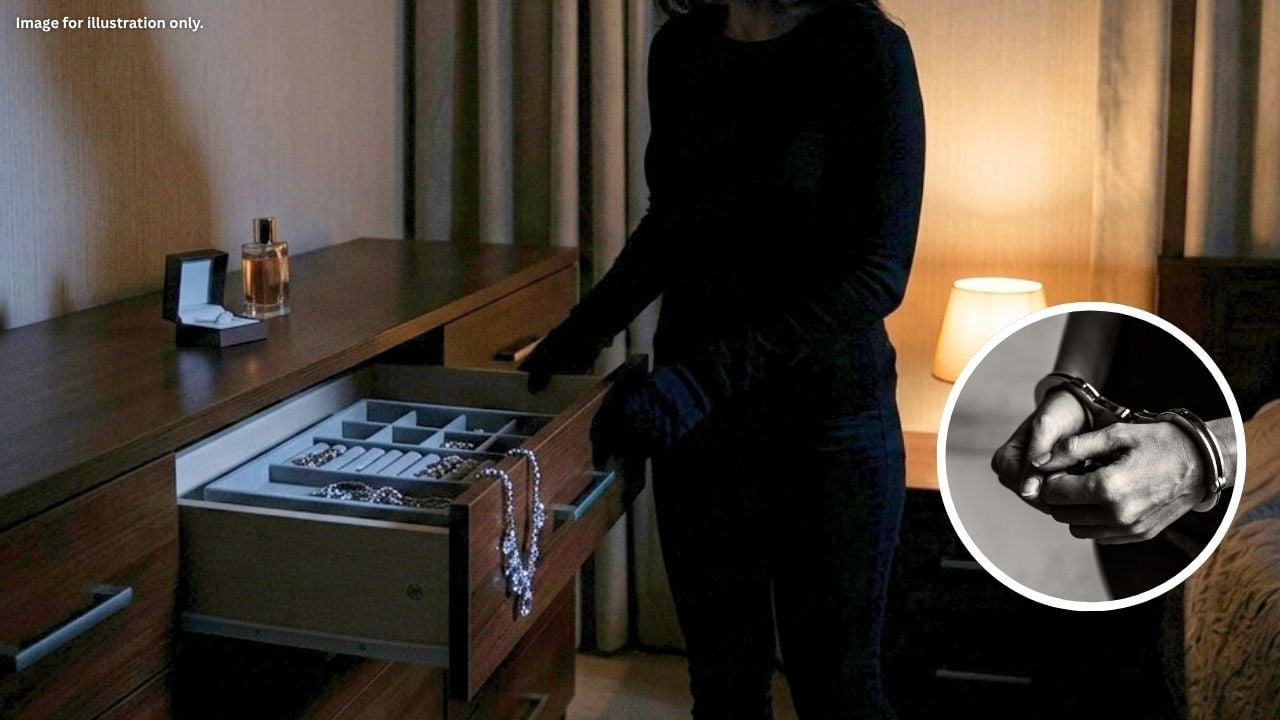
As per report from Kuwait newspaper Al-Anba, Egyptian expat couple has gone to the Abu Halifa Police Station, to report theft and absconding in their home. The expat had claimed that his wife found items missing from their home. The list included a gold chain, five rings, other jewelry, and KD 70 in cash.
Around the same time, the couple’s maid, described only as Asian, had reportedly left the house without notice at around the same time. The expat then accused her of the theft and told police he did not know where she was.
The police recorded the missing items and the accusation, then referred the case for verification. Later reports said that the worker was arrested and sent to the Deportation Department.
As of writing, the accusation has not been tested in court, and the worker’s side has not been reported. Her nationality, the date of her arrest, and whether the items were recovered were not disclosed. Further details may emerge as authorities complete their verification.
Why Leaving the House Can Make Things Worse
For domestic workers in Kuwait, walking out on an employer, even over a dispute, can lead to an absconding report. Under the sponsorship system, that report can void the worker’s residency, which puts her at risk of detention by immigration authorities. This can happen regardless of how long the criminal case takes.
Migrant Workers Theft Cases in Kuwait
In Kuwait, theft cases involving migrant workers usually begin when the employer files a police complaint. Police register the case, collect evidence such as recovered property or admissions, and may arrest the worker.
- Simple theft can carry a prison term of up to two or three years, a fine, or both, and penalties can rise when aggravating circumstances apply, such as theft inside a home or at night.
- When the employer also files an absconding report, the worker’s residency can be voided, which allows immigration authorities to detain her within the duration of the criminal case, regardless of the pace of the actual case itself. In such cases, or when the amount stolen is small, authorities may skip a long prison term and transfer the worker straight to the Deportation Department, where she is held until travel arrangements are completed.
- If the stolen items, such as jewelry, are not recovered, a travel ban may be placed on the worker until the dispute is settled or restitution is made.
Deported workers are also barred from returning to Kuwait, with their biometric data logged. Whether the ban extends to other Gulf countries is unverified.
Where OFWs Can Turn for Help
In cases when Filipino workers get in trouble like this, the OFWs in question may reach out to the Philippine Embassy in Kuwait and the Department of Migrant Workers (DMW) for legal and consular assistance. These offices can help make sure a detained worker’s rights are respected, but they cannot stop Kuwaiti authorities from enforcing local law.
Workers with a problem at home should raise it through official complaint channels instead of leaving the household. Employers who suspect theft are expected to report it to the police.
This is a developing story.