The Overseas Workers Welfare Administration (OWWA) is now putting the children left behind by OFWs abroad at the center of its reintegration efforts. OWWA said helping OFWs gain new skills and prepare for life after overseas work should also mean supporting the families they left behind.
At the First Mindanao Regional Assembly of the CBCP-ECMI Migrants’ Ministry held from November 4 to 6 at Pearlmont Hotel in Cagayan de Oro City, OWWA Administrator Patricia Yvonne “PY” Caunan said every program for migrant workers should not end with remittances and overseas contracts, but also consider the child waiting for a parent to come home.
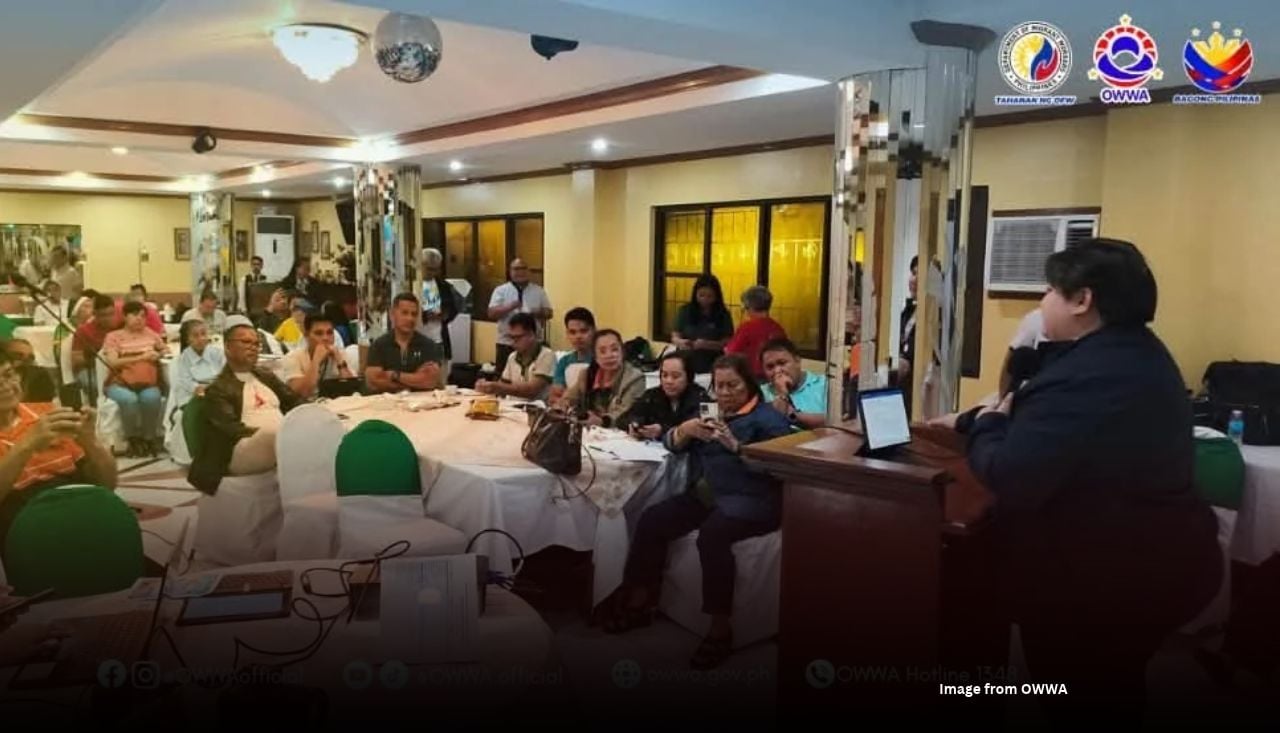
Her remarks were posted on OWWA’s official Facebook page, which identified the event as the First Mindanao Regional Assembly of Migrants’ Ministry under the Catholic Bishops’ Conference of the Philippines–Episcopal Commission on Migrants and Itinerant People, or CBCP-ECMI which brought together church workers, migrant advocates, and government partners.
Why OWWA Is Focusing on Families
Caunan said the children staying in the Philippines while their parents work overseas are among the deepest reasons behind her work at OWWA.
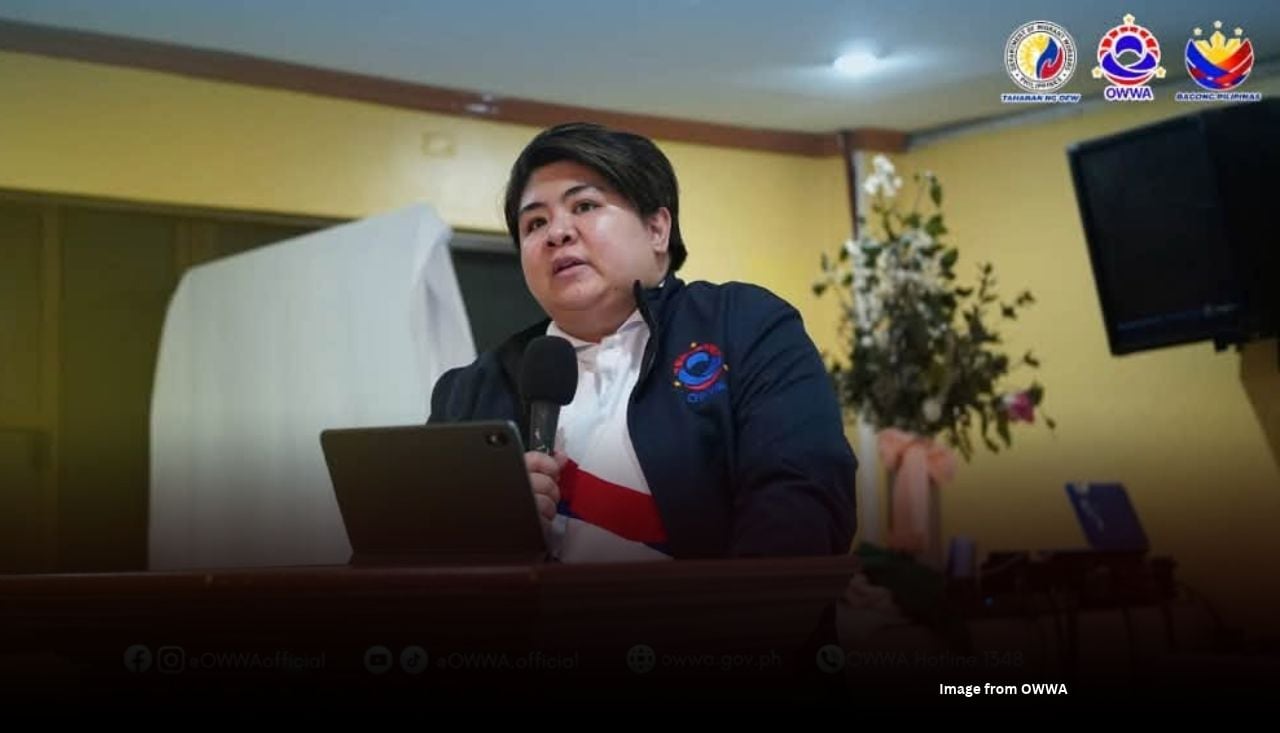
She said the agency is strengthening skills training and livelihood programs so OFWs can build more stable sources of income. The goal is to prepare workers for jobs or businesses once they return home.
- OWWA wants OFWs to start preparing for reintegration while still working abroad.
- The agency said support should match each worker’s situation, whether they want employment, a business, or time to recover.
- Stronger livelihoods, it added, can help parents provide better for their children’s needs and future.
- OWWA also wants families to receive emotional and social support, not just financial assistance.
OKKC: Training, Jobs, and Livelihood in One Place
A major part of OWWA’s plan is the OWWA Kasanayan at Kabuhayan Center, or OKKC. The center was soft-launched on October 26 in Intramuros, Manila, with the Technical Education and Skills Development Authority, or TESDA.
OKKC is designed to connect training, skills assessment, certification, job referrals, and business-start support. It gives returning OFWs one place to retrain and explore work or livelihood options.
- TESDA handles training, assessment, and certification.
- OWWA provides the venue and endorses qualified beneficiaries.
- Initial and planned courses include Japanese language, e-commerce, ICT, housekeeping, caregiving, barista, and bartending.
- OWWA has said it plans to bring similar centers to the regions, though no schedule for Mindanao was given in the post.
Support for OFW Children
OWWA did not announce a new cash assistance program for OFW children. Instead, it highlighted the OFW Children’s Circle and psychosocial support as ways to help children deal with prolonged separation from their parents.
The agency said these programs can give children a space to make friends, express their feelings, and receive proper guidance.
- The OFW Children’s Circle aims to connect OFW children with peers who share similar experiences.
- Psychosocial support is intended to address the emotional impact of having a parent work abroad.
- OWWA said partners should provide clear contact persons and continue monitoring families that need help.
- The post did not give details on funding, eligibility, or how many children will benefit. [Data Needed]
Stronger Partnerships for Mindanao
To make these services more accessible in Mindanao, OWWA is pushing for closer coordination among government agencies, church groups, and local offices.
The proposed partners include:
- Migrants’ Ministry
- OWWA Regional Welfare Offices
- TESDA
- Public Employment Service Offices, or PESOs
- Local government units
- Other training, employment, livelihood, and family-support organizations
Caunan thanked the CBCP-ECMI, Migrants’ Ministry, Stella Maris, and church volunteers for their continued work with migrant workers and their families.
What OFWs and Families Can Do
OFWs and their families who want to explore OWWA’s reintegration and training programs may contact the nearest OWWA Regional Welfare Office or follow the agency’s official channels.
- Ask about OKKC training schedules, job referrals, and livelihood assistance.
- Inquire about programs for returning OFWs and their dependents.
- OFW children and guardians may ask about the OFW Children’s Circle and psychosocial support.
- Workers still abroad can also look into preparation and training options before coming home.
Caunan ended her message with a reminder that goes beyond jobs and training: “Sa bawat OFW na ating inaalagaan, isipin din natin ang anak na naghihintay sa kanyang pag-uwi.”