Private-sector workers in Kuwait cannot simply be fired without a lawful reason. Labour Law No. 6 of 2010 bars dismissal based on gender, race, religion, a worker’s complaint, trade-union activity, or approved leave. A worker who proves the dismissal was unjustified can seek end-of-service indemnity and damages for financial and personal harm.
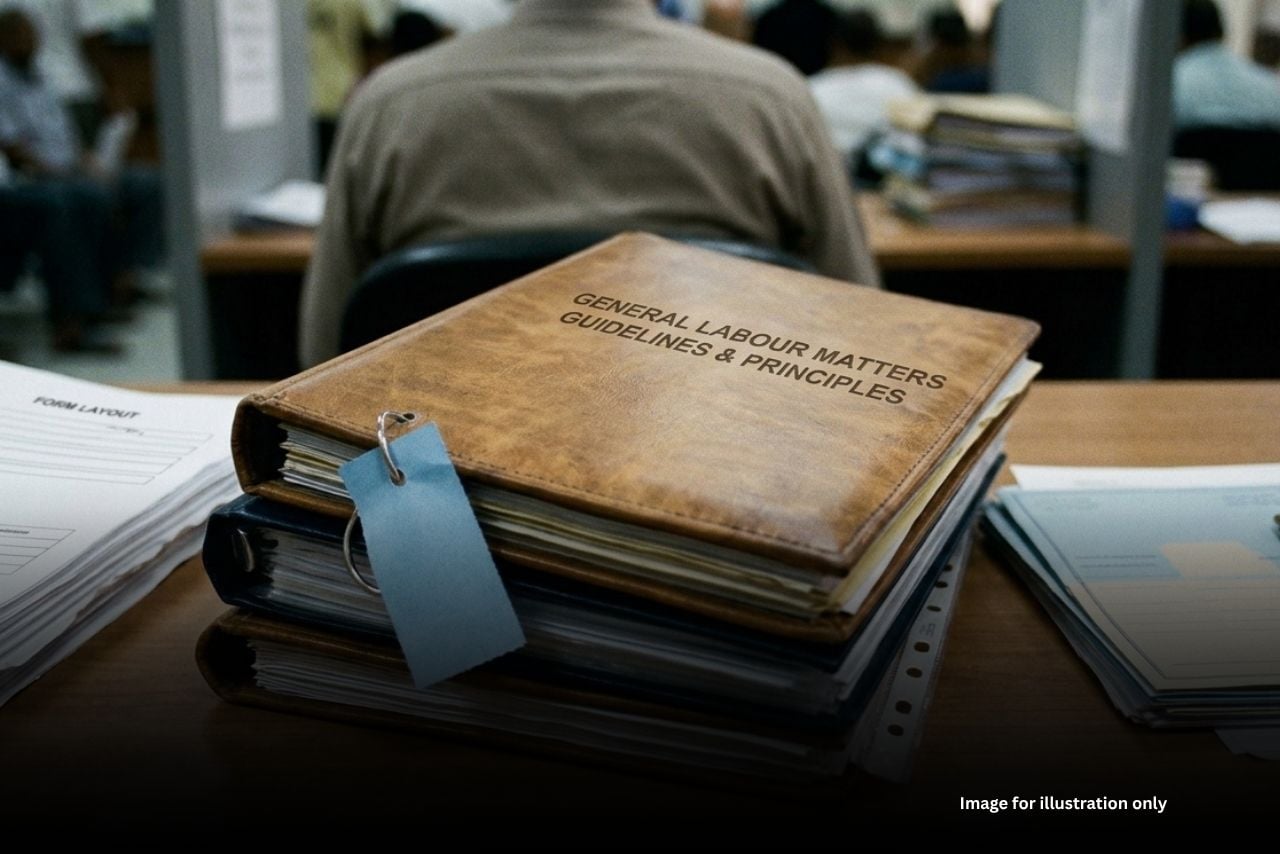
The law also limits employers’ power to punish staff. Immediate or arbitrary discipline is prohibited, and dismissal for cause should rest on an investigation, written warnings, and the procedures in Articles 41 to 44. Employers must also display approved penalty rules at the workplace.
Kuwait’s Public Authority for Manpower publishes the official English text of Labour Law No. 6 of 2010, the statute governing private-sector contracts, termination, discipline, and end-of-service benefits. Workers can use it to check the exact provisions that apply to their case.
What An Unfairly Dismissed Worker Can Claim
Employees on indefinite contracts are generally entitled to three months’ notice. If the employer ends the job at once, it must pay the worker’s salary and benefits for that period. Other workers are generally entitled to one month’s notice.
A court ruling that the dismissal was arbitrary can open the door to:
- Full end-of-service indemnity.
- Compensation for financial losses.
- Compensation for moral damages.
Fixed-term workers have a separate remedy. If they are dismissed without justification, they may claim wages for the unexpired part of their contract.
End-of-service pay is not the same as damages. Monthly-paid employees receive 15 days’ salary for each of the first five years, then one month’s salary per additional year, up to 18 months’ salary. Workers paid daily, weekly, hourly, or by piecework receive 10 days’ salary per year for the first five years, then 15 days’ salary per year, up to one year’s salary.
Where To Complain
A dismissal letter is not the end of the matter. Workers should keep their contract, payslips, warning letters, termination notice, and any messages with the employer before filing a case.
The official process begins at PAM’s Labour Disputes Department. PAM first attempts mediation; if that fails, the case goes to the Individual Labour Disputes Committee. If there is still no settlement, the worker can take it to the Labor Court.
- Ask HR for a written explanation of the dismissal.
- Collect contracts, payslips, warnings, and communications.
- File a complaint with PAM’s Labour Disputes Department.
- Attend mediation and document any offer or refusal.
- Move to the Individual Labour Disputes Committee if mediation fails.
- Go to the Labor Court if the dispute remains unresolved.
PAM also runs electronic labour services that let registered workers submit and follow complaints through its Labour Services portal.
When An Employer Can Dismiss A Worker
The law does allow dismissal for serious misconduct. Examples include causing substantial loss through negligence, obtaining the job by fraud, leaking confidential information, committing an offense involving honour or trust, assaulting a colleague or employer, breaching contractual duties, or repeatedly violating approved workplace rules.
Even then, the employer has obligations. It must give the required notice, cancel the worker’s permit and residence visa, and issue a temporary visa until the worker leaves Kuwait or transfers to another employer.
Settlements Cannot Erase Rights
Workers should be cautious about signing a “full and final” settlement after dismissal. Kuwaiti law does not enforce agreements that waive minimum employment rights.
Discrimination is also prohibited across employment decisions, including on the basis of sex, age, pregnancy, marital or social status, race, or religion. Sexual harassment—including harassment by phone or social media—is a criminal offense that can bring fines and imprisonment.
Workers should always confirm evidence requirements and their specific entitlements with PAM or a Kuwait-qualified labour lawyer before signing a settlement or leaving the country.