Kuwait’s domestic workers have no protection under the country’s main Labour Law. A separate law covers them, and it says an employer can’t dismiss a worker on a whim. Law No. 68 of 2015 allows termination only for specific reasons. A dismissal outside those reasons can expose the employer to penalties.
This matters because most unfair-dismissal guidance in Kuwait is written for private-sector staff under Law No. 6 of 2010.
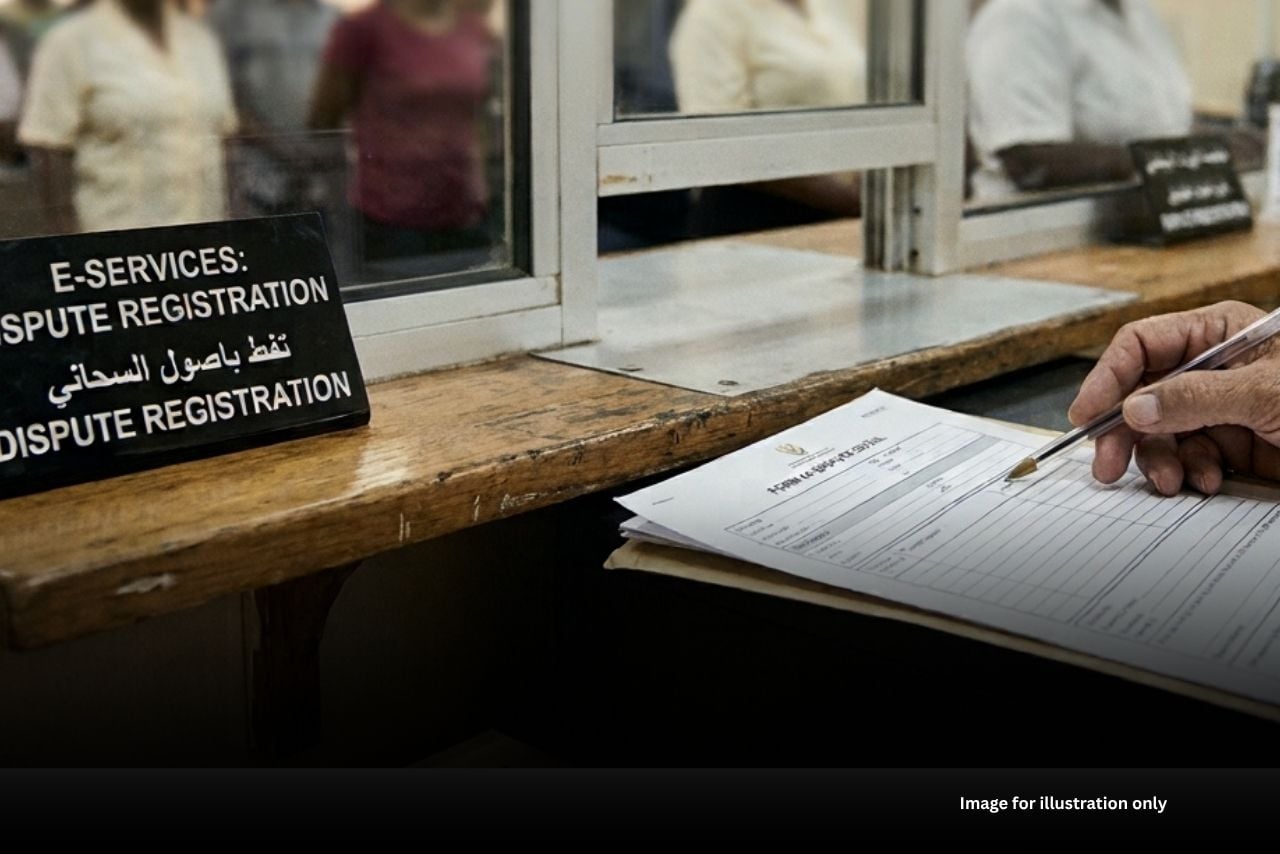
Workers who believe they were dismissed arbitrarily can file a complaint with the Public Authority for Manpower (PAM), which handles domestic labour disputes. Complaints can be filed online or in person. Workers should bring their passport, Civil ID and any evidence. Current contact details and e-service links are listed on the PAM website.
When A Dismissal Is Lawful
- The employer can end the contract if the worker commits a fundamental breach of their obligations.
- The employer can also end it for an act affecting honor or trust.
- Both sides can agree to end the contract early.
- The contract can simply expire without renewal.
Anything outside those grounds is arbitrary as the law does not exactly define “fundamental breach” or “an act affecting honor or trust. In practice, a dispute likely turns on whether the employer can prove the stated breach. This is an interpretation of the law, not a quoted rule.
What Arbitrary Dismissal Looks Like
In plain terms, an arbitrary dismissal is one where the employer ends the contract without a proven legal ground. It may happen abruptly, without a stated reason, or with a reason that doesn’t hold up.
Here are some scenarios that may qualify as arbitrary dismissal, based on the law’s wording.
- Fired over a personal dispute. An employer is angry after an argument or a household disagreement and tells the worker to pack up. Unless the worker committed a fundamental breach, nothing in the law’s grounds covers this.
- Dismissed for asking to be paid. A worker asks about unpaid wages and is told to leave the next day. Non-payment is a failure by the employer, and the law gives the worker, not the employer, the right to end the contract in that situation.
- Dismissed after reporting mistreatment. A worker complains about abuse or being overworked and is sent away. Abuse is a criminal offense, and a dismissal that follows a complaint is the kind of situation that invites scrutiny.
- Accused without proof. An employer claims the worker broke the rules or damaged trust but offers nothing to back it up. The law requires an actual fundamental breach, so the claim would likely need evidence.
- Contract cut short for convenience. The family no longer needs help, or wants to hire someone else, and ends the contract mid-term. A change of mind is not a ground the law recognizes.
- Dismissal paired with withheld dues. The worker is sent away without final wages, accrued leave, gratuity or a return ticket. Even where a dismissal is disputed, these entitlements are tied to the end of the contract.
Warning Signs A Dismissal May Be Arbitrary
- No reason is given, or the reason keeps changing.
- No written notice or documentation is provided.
- The employer refuses to pay final wages or gratuity.
- The worker is pressured to sign a resignation or a waiver.
- The employer holds the worker’s passport. Retaining it is prohibited under the law, according to a law firm guide reviewed.
- The employer threatens to report the worker or cancel the visa.
What A Worker May Be Owed
- End-of-service gratuity of one month’s wage for every year worked (Article 23).
- All unpaid wages.
- Accrued annual leave. Thirty days of paid leave after one year is cited.
- A return ticket home, unless the worker legally transfers to a new employer.
One law firm guide says the gratuity can’t be waived by agreement.
What Happens To The Employer
- PAM can reportedly impose fines or recruitment bans if arbitrary termination or wage theft is proven.
- Fines range from KD 200 up to KD 2,000 for violations.
For Filipino domestic workers:
- A bilateral agreement says the Department of Domestic Labor should settle disputes within 14 days.
- Unresolved cases go to court, which should hear them within 30 days of referral.
- Domestic workers’ cases are to be free of judicial charges at every level.
Workers Can Also Turn To Their Embassy
- Embassies and labor offices can help with mediation, shelter, legal advice and repatriation.
- Abuse is a criminal offense. Emergency calls go to 112.