Travellers entering or leaving Kuwait with more than KD 3,000 in cash, or the equivalent in another currency or in jewelry, are now required to declare it. The declaration is generally done through the Sahel app, replacing the old paper forms.
This applies to Kuwaiti citizens, residents, and visitors alike, especially those planning to travel soon, whether arriving or departing by any mode of travel. Holding an iqama does not exempt anyone from this requirement. Failure to comply may result in seizure, fines, investigation, or other legal action.
Why Kuwait is Doing This
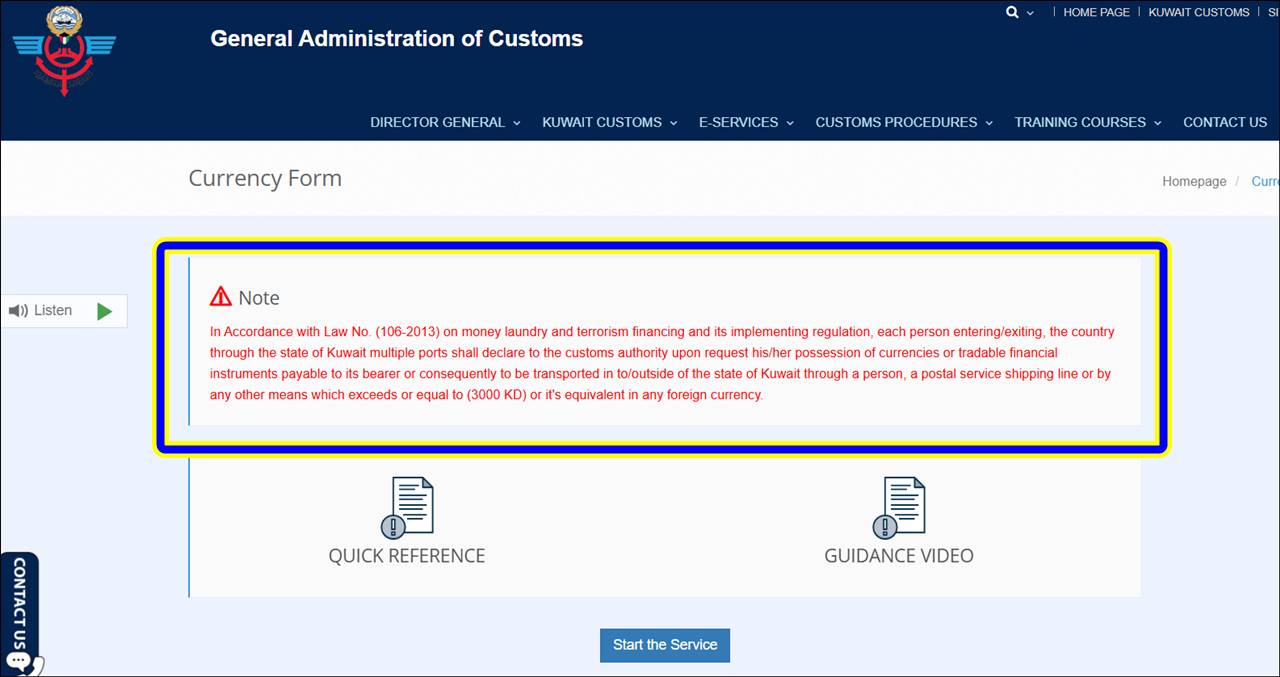
The rule isn’t new paperwork invented for the app. The rule, in accordance with the law that backs it up, was designed mainly to combat money-laundering and terrorist financing. rests on Law No. 106/2013, and Ministerial Resolution No. 37/2013, and subsequent amendments (Ministerial Decision No. 51/2016 and Ministerial Resolution No. 5 of 2021).
It was meant to promote:
- Transparency: closer oversight of large cash movements across borders.
- Speed: officers see declarations in real time and can focus on higher-risk cases.
- Digital services: the Sahel App is part of Kuwait’s wider push to move government services online.
- Crime prevention: NDTV Travel says the system helps combat money laundering, terrorism financing, and illicit cash transfers.
What Needs to Be Declared
This is where it gets confusing. The rule actually covers:
- Physical cash: Kuwaiti dinars, or the combined total of all foreign currencies you carry.
- Bearer negotiable instruments: such as traveler’s checks, checks, or promissory notes.
- Gold and luxury items: includes gold in any form and high-value items such as expensive watches must be declared if their total value reaches the threshold. It also includes jewelry above the same amount.
What about money transfers?
The rule does not restrict bank transfers, card payments, or legally documented funds. It only applies to physical cash above the limit. This means that money you send through banks or remittance channels is outside the rule.
Who has to declare?
Everyone. The rule covers citizens, residents, and foreign visitors, whether they are arriving or leaving, by any mode of travel.
Here is what to keep in mind:
- The limit: more than KD 3,000, roughly $9,700 USD, or the equivalent in another currency. Rates move, so it’s best to convert on the day you fly.
- Both directions: the rule applies when you leave Kuwait and when you come back.
- Your destination’s rules: the reports don’t cover what your home country requires.
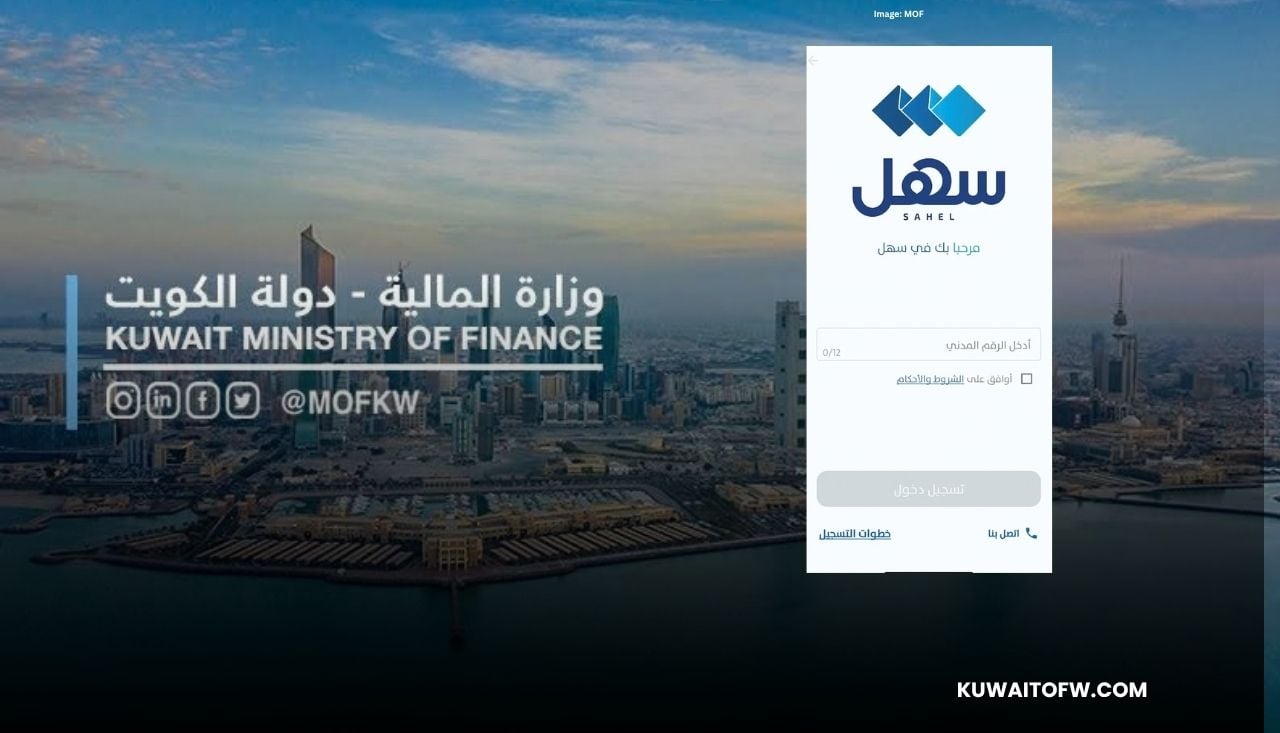
How to declare on the Sahel App
You don’t need to file weeks ahead. You can declare before you travel, before you arrive, or at the border checkpoint, as long as it’s done before customs inspection, though filing at home is still easier than doing it while in line.
Here’s how to do it via the Sahel App:
Step 1. Install the Sahel App from official government sources.
Step 2. Register or log in.
Step 3. Enter the amount, in KWD or another currency.
Step 4. Submit, and keep the digital acknowledgment.
Step 5. Show it to customs officers if they ask.
Once it’s submitted, officers can verify the notice on the spot and customs can cross-check it against your travel documents.
Note: Physical forms are also available at some border points for visitors who can’t use the Sahel app. It can also be declared via the electronic services portal of Kuwait Customs.
What if you skip it?
Skipping the declaration, or declaring a false amount, can be costly. Here is what’s reported:
- Seizure: the funds or assets can be temporarily seized,
- Investigation: travelers can also be detained and referred to the competent authorities for investigation and further legal action.
- Fines and prosecution: violators may also face heavy fines or criminal prosecution under the anti-money laundering framework.
- Extra scrutiny: Failure to declare may lead to regulatory action and closer checks at the border.
Important Reminders
To avoid troubles, make sure to:
- Count your cash and convert it to KWD.
- Install the Sahel App and log in ahead of time.
- File the declaration and save the acknowledgment.
- Ask Kuwait’s customs authority if you’re unsure about jewelry or other valuables.