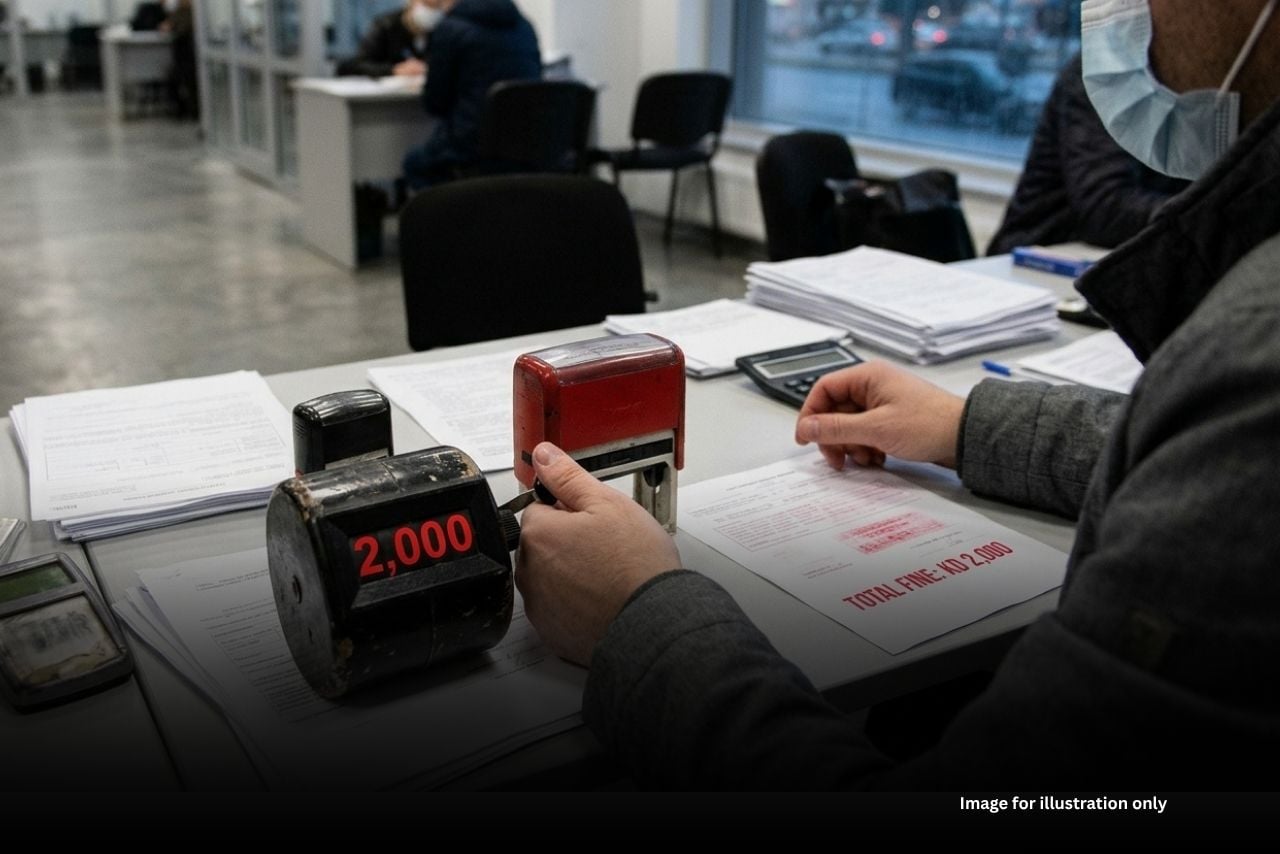
Overstaying in Kuwait is no small administrative slip. A missed renewal date in Kuwait can cost more than people expect. Visit-visa holders who stay beyond their permitted period pay KD 10 a day, up to a maximum of KD 2,000.
Those on residency or work permits face KD 2 daily for the first month, then KD 4 daily, with a cap of KD 1,200. Domestic workers are charged KD 2 a day, up to KD 600.
The penalties do not stop at money. The bigger fear for many foreign residents is not the fine itself. Serious or prolonged overstay cases can lead to prosecution, imprisonment of up to one year, deportation and a re-entry ban. Working while unlawfully remaining in Kuwait can also bring a separate fine of up to KD 3,000.
The Ministry of Interior enforces these penalties through its General Directorate of Residency, which manages visas and residence permits. Residents can check their status and any accumulated fines through the ministry’s residency fines enquiry service or the official Sahel app.
The rules also cover families. Parents who fail to report a newborn within four months face KD 2 a day for the first month, then KD 4 daily, capped at KD 2,000.
What An Overstay Can Cost
- Visit visa: KD 10 per day, maximum KD 2,000.
- Residency or work permit: KD 2 daily for the first month, then KD 4 daily, maximum KD 1,200.
- Domestic worker permit: KD 2 daily, maximum KD 600.
- Late newborn registration: KD 2 daily for the first month, then KD 4 daily, maximum KD 2,000.
- Unauthorized work during an overstay: separate fine of up to KD 3,000.
For someone on a visit visa, the daily charge adds up fast. Two extra weeks cost about KD 140. A full month costs KD 300. The cap limits the total, but it does not erase the risk of deportation or a future entry ban.
A Cancelled Visa Is Not The End Of The Deadline
When a residence visa is cancelled — after a job ends, for example — the person is generally given a grace period to transfer to a new sponsor or leave Kuwait. The fine clock starts only after that window closes.
That grace period is easy to miss, especially for workers dealing with an employer dispute or waiting for paperwork. Once it expires, the daily penalties begin. The exact deadline should be confirmed through the Ministry of Interior or Sahel, not assumed from an employer.
Paying The Fine Is Only Half The Fix
Settling an overstay fine does not restore legal status on its own. A person with an expired permit must still renew it, transfer sponsorship or leave the country.
Remember: Keep proof of every payment and status update. An unpaid fine, an absconding report or an unresolved legal case can create a travel hold — a problem many people discover only at the airport.
What Residents Should Do Now
Kuwait’s penalties apply based on immigration status, not nationality. Whether someone is an OFW, another expatriate worker, a domestic worker or a visitor, the practical advice is the same: know the deadline, check the official record and act before the daily fine starts running.
Also, don’t forget these helpful tips:
- Check the expiry date of the visa, iqama or residence permit.
- Renew early instead of waiting for the final days.
- If a visa has been cancelled, confirm the grace-period deadline immediately.
- Use official Ministry of Interior or Sahel channels to check fines and status.
- Clear any fine and regularize residency before booking a flight.