Kuwait can cancel a foreign resident’s permit if they stay abroad for more than six months without approval. The rule is automatic, and the emergency three-month extension that helped stranded residents earlier in 2026 ended on September 1.
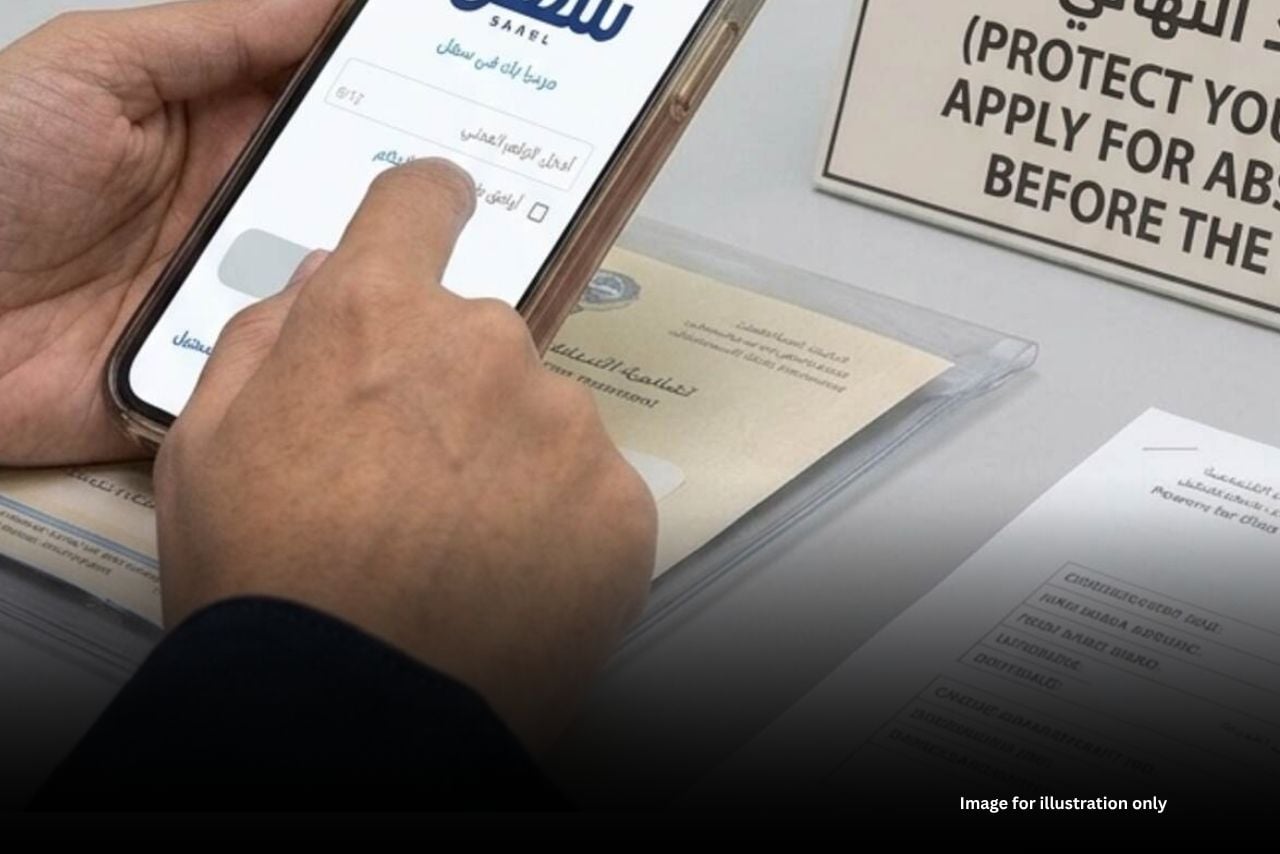
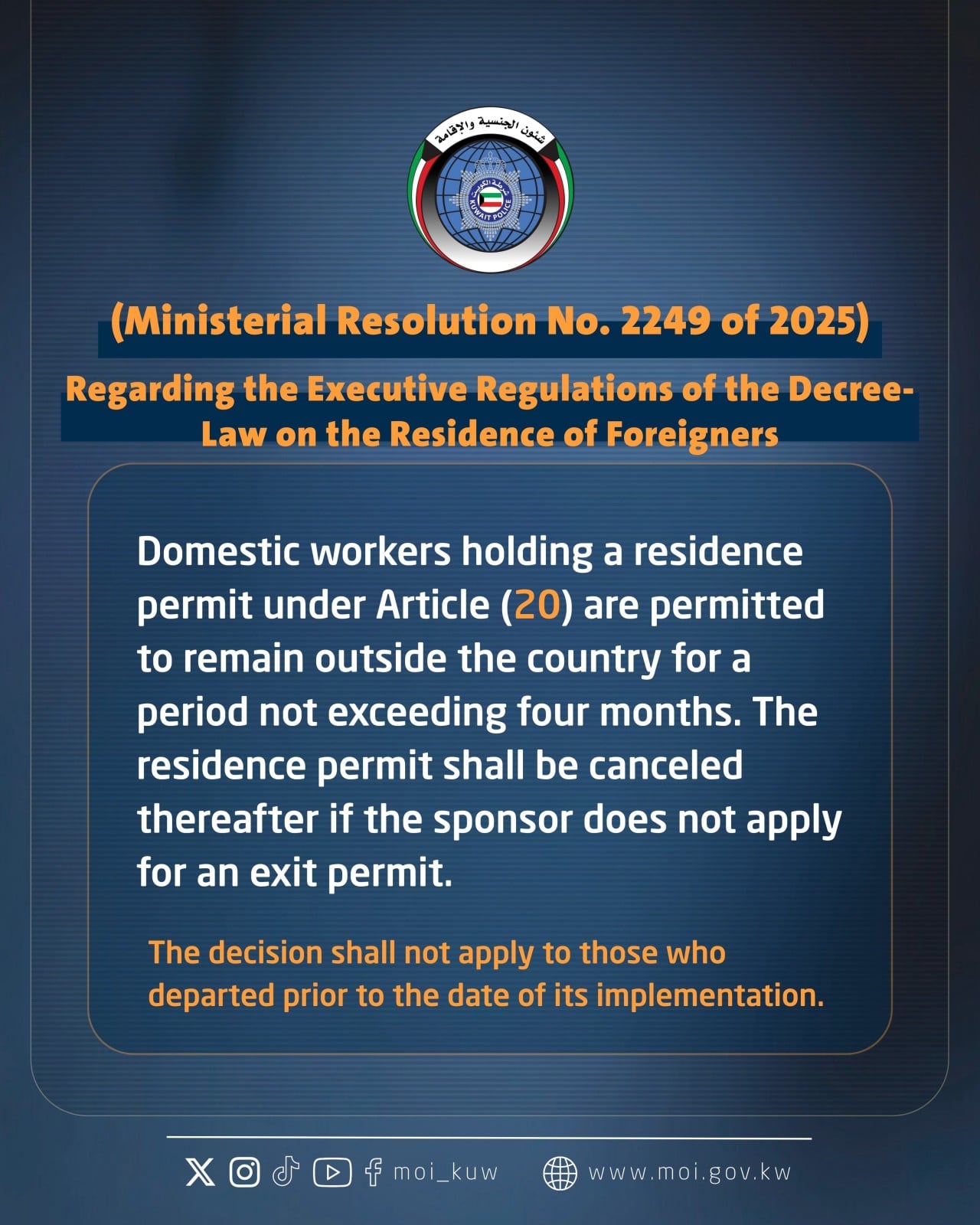
Private-sector workers on Article 18 residency have a six-month limit. Domestic workers on Article 20 residency have only four months. The legal protection is an official absence permit, which must be approved before the deadline. Once the deadline passes, the permit can be cancelled and the resident may need a new visa and sponsor. Residents can check their exact absence deadline through the Sahel app.
What the Rule Covers
Under Kuwait’s residency regulations, most foreign residents cannot remain outside the country for more than six consecutive months. Ministerial Decision No. 2249 of 2025 sets the limit, which took effect on December 23, 2025.
- Article 17, Article 18, and Article 24 residents are subject to the six-month limit.
- Article 20 domestic workers face a four-month limit
- Some residents are exempt, including children of Kuwaiti mothers, property owners, and certain foreign investors.
- People granted residence under Article 7 bis are also exempt from the standard six-month restriction.
The Permit that Prevents Cancellation
Kuwait’s official service is called “Permit to Stay Outside Kuwait Exceeding 6 Months.” It allows eligible residents to apply for permission to remain abroad beyond the limit without losing their residency.
The application must be filed before the six months run out. A sponsor must sign the form, and the resident may need to provide a recent academic certificate or medical report.
- Documents may need authentication by the Kuwaiti embassy and the Ministry of Foreign Affairs.
- Applicants must submit two 4-by-6-cm photographs with a blue background.
- The official Kuwait Government Online page lists the fee as KD 0.
- Residents should confirm the current process directly with the Ministry of Interior before paying any intermediary.
The Emergency Extension Ended
Kuwait had granted automatic three-month absence permits during the regional conflict, allowing stranded residents to remain abroad without visiting an office or paying a fee. That relief ended on September 1, 2026.
- Residents who left Kuwait on or before August 31, 2026 keep the additional absence period.
- Residents who left on or after September 1, 2026 must follow the normal six-month rule.
- No new blanket extension has been announced.
- The Sahel residency-permit certificate is the official reference for the date the absence period ends.
What Happens After the Deadline
If a resident exceeds the limit without approval, their residence permit may be cancelled automatically. The sponsor may also lose the resident’s file, which can complicate any attempt to return.
- The resident may need a new entry visa, medical tests, and new fees.
- The Civil ID can be affected once residency ends.
- Residents can check Civil ID status through PACI, Sahel, or Hawiyati.
- Restoration depends on the sponsor agreeing to re-sponsor the resident.
Who Faces the Biggest Risk
The rule is most important for residents planning a long stay abroad for study, medical treatment, family reasons, or work. A valid passport, work permit, or employer’s promise does not replace an approved absence permit.
- Check the residency category before travelling.
- Check the absence deadline in Sahel before leaving Kuwait.
- Contact the sponsor well before the deadline, not days before.
- Keep copies of every application, receipt, and approved document.
- Avoid agents who promise guaranteed approval.
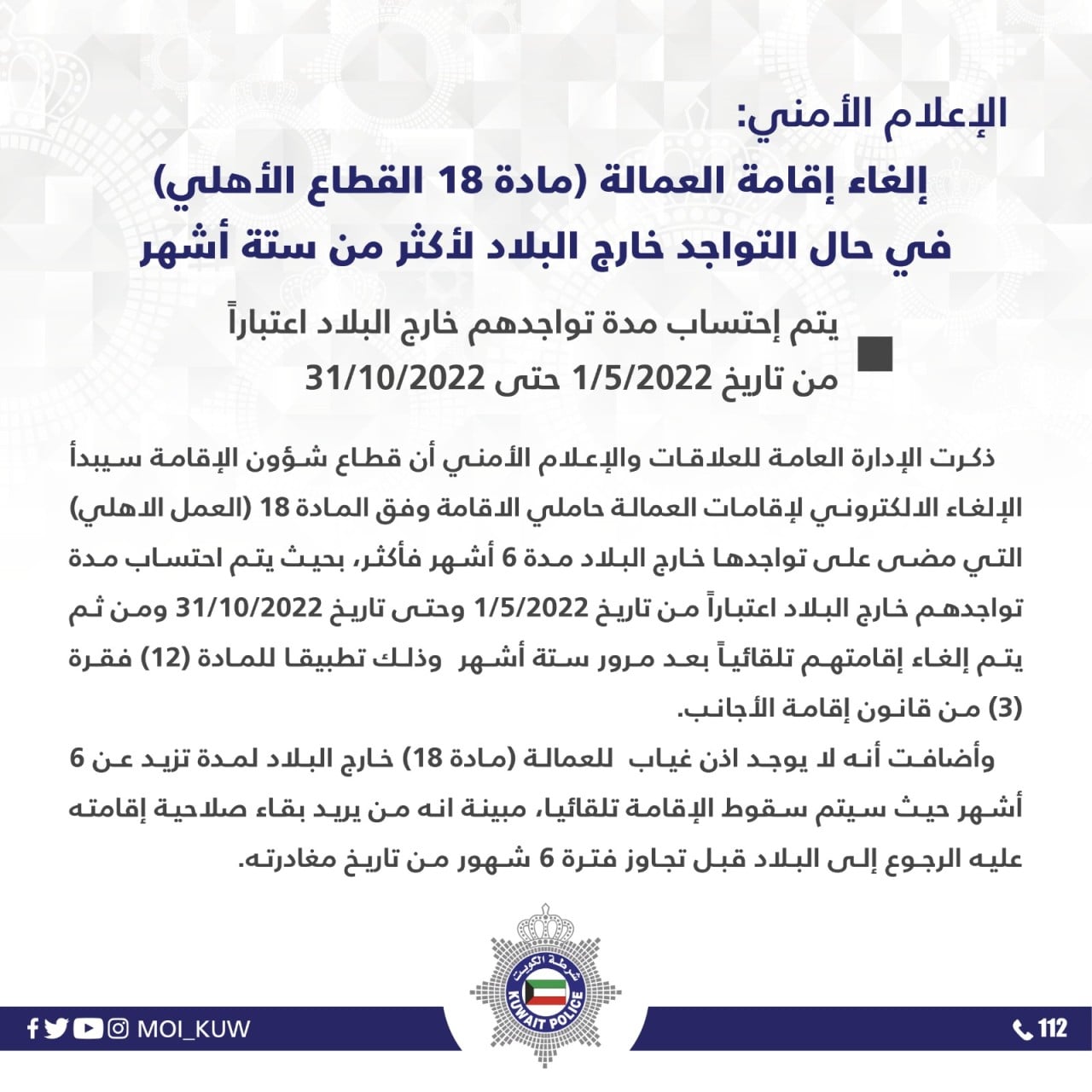
الإعلام الأمني: إلغاء إقامة العمالة (مادة 18 القطاع الأهلي) في حال التواجد خارج البلاد لأكثر من ستة أشهر. يتم إحتساب مدة تواجدهم خارج البلاد اعتباراً من تاريخ 2022/5/1 حتى 2022/10/31 https://t.co/D9RHu0Npii
— وزارة الداخلية (@Moi_kuw) August 12, 2022
What To Do Before Travelling
Residents planning to stay abroad should treat the six-month rule as a hard deadline. The absence permit is the legal safeguard, but it only works if it is requested and approved before the limit expires.
- Check the exact end date in Sahel.
- Confirm whether the residency category carries a six-month or four-month limit.
- Ask the sponsor to prepare the application early.
- Prepare academic or medical documents in advance if an extension may be needed.
- Follow official Ministry of Interior updates rather than old social-media posts.
Kuwait’s six-month rule can turn a long trip abroad into a residency problem. The absence permit is the protection residents need—but only if they apply before time runs out.