Some workers reach Kuwait with a signed contract—then discover the job waiting for them is not the one they agreed to. The pay is lower. The role has changed. Benefits promised before departure are suddenly missing.
This is contract substitution: replacing or altering an approved employment contract after arrival in a way that disadvantages the worker. For Filipinos, it is prohibited under Philippine rules when the change is made without approval and to the worker’s prejudice.
Workers should not sign a replacement immediately, should keep every document, and should report the discrepancy to the proper authorities.
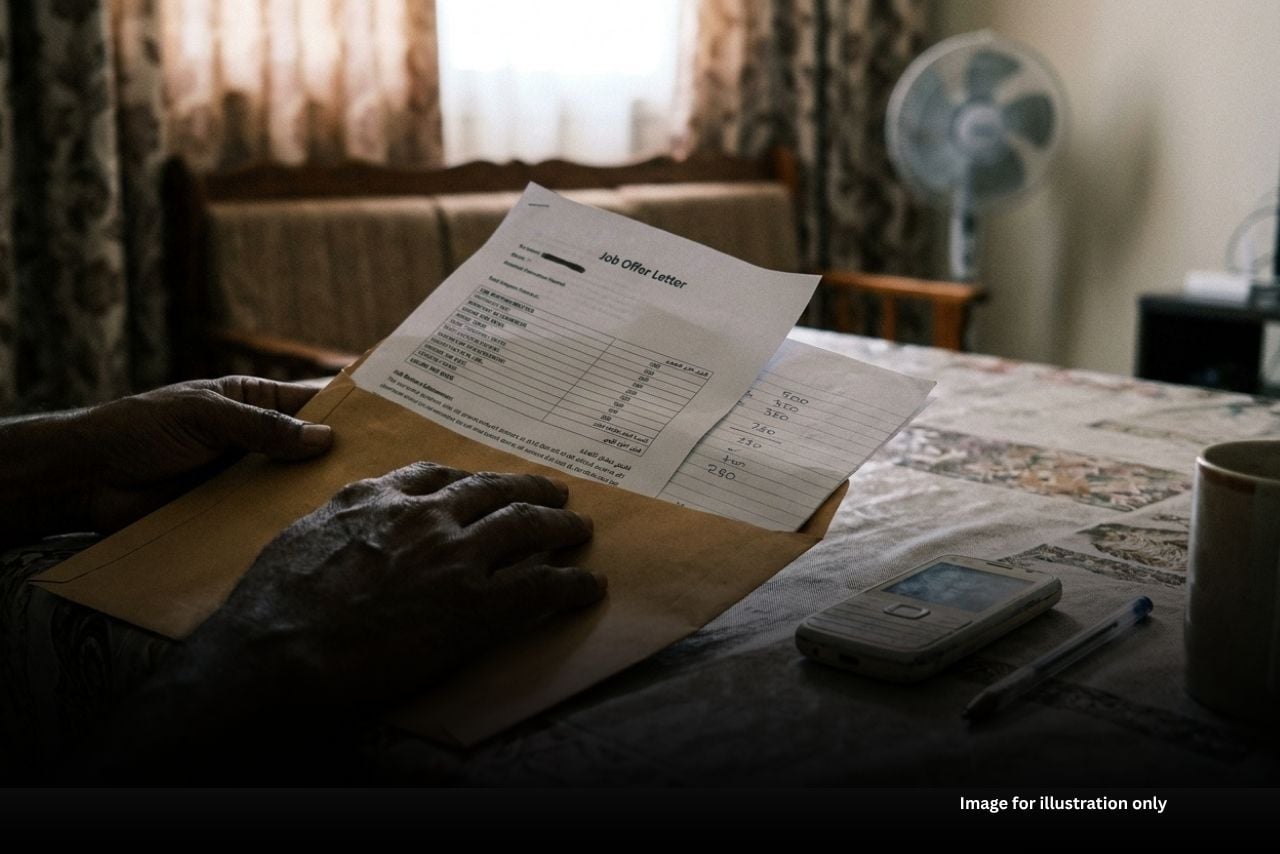
What Counts As Substitution
- A worker signs a contract in their home country before deployment.
- After arriving in Kuwait, the employer presents a new contract, addendum, or revised terms.
- The new document reduces wages, changes the job title, shortens the contract, or removes benefits.
The Philippine Department of Migrant Workers’ guidance on illegal recruitment says it is prohibited to substitute or alter an approved employment contract to the worker’s prejudice without approval. The rule applies to contracts processed and verified through the DMW.
Why The Original Contract Matters
The original agreement does not lose force simply because a worker has left the country. Under Republic Act No. 8042, liabilities connected to the original contract continue despite any substitution, amendment, or modification made locally or abroad.
The Supreme Court has also ruled that even an attempt to force contract substitution can be illegal and punishable, even if the worker never signs the second contract.
Illegal recruitment is a criminal offense under the Labor Code, as amended, and RA 8042, according to DMW guidance.
Kuwait’s Contract Rules
Kuwait’s Labor Law No. 6 of 2010 requires a written employment contract stating the signing date, effective date, wage, contract period if fixed-term, and nature of work. The official English text is available through Kuwait’s manpower authority.
- The contract must be in Arabic; a translation may be added, but the Arabic text prevails in a dispute.
- A worker’s wage cannot be reduced during the contract period, and agreements that violate this rule are void.
- If no written contract exists, the employment relationship is still deemed to exist, and the worker may prove their rights through any available evidence.
What To Do If It Happens
If it happens, make sure to follow these tips to avoid getting in trouble:
- Do not sign a new contract, addendum, or “corrected” document right away if it lowers pay, changes the job, or removes benefits.
- Keep the original contract, offer letter, flight details, recruitment-agency papers, receipts, messages, and any record showing the changed terms.
- Report the discrepancy to the Philippine Embassy or labor attaché in Kuwait and to the DMW before accepting the new terms.
- Seek help from Kuwait’s Public Authority for Manpower, which handles labor disputes and standard employment agreements.
- If you are pressured, harassed, dismissed, or forced to leave for refusing the substitution, record dates, names, messages, and witnesses.
Possible Remedies
Here are some things that you can do:
- A worker may demand that the original contract be honored.
- Under RA 8042, unlawful termination without just, valid, or authorized cause can support claims for placement-fee reimbursement with interest and salaries for the unexpired contract period, subject to the law’s limits.
- In the Philippines, an affected worker may pursue complaints involving the local agency and foreign employer through the DMW Adjudication Office and labor-related forums; the right venue and outcome depend on the facts of each case.
- Workers should get case-specific advice from the DMW, the Philippine Embassy in Kuwait, or a qualified lawyer before filing claims.
Remember: A signed contract is not a formality that disappears at the airport. If an employer in Kuwait tries to replace it with worse terms, the worker’s strongest move is to refuse to sign hastily, keep every document, and report the substitution through official channels.
Watch this video to learn more: