Some employers in Kuwait still act as if a worker’s passport belongs to the company. It does not. Whether you are an OFW, another expatriate, or a Kuwaiti worker, your passport is a personal government document—and employers generally cannot confiscate or withhold it.
For private-sector workers, the rule is straightforward. Ministerial Decision No. 166 of 2007 prohibits employers from taking or holding employees’ travel documents and passports. Articles 2, 5, and 6 make clear that workers may keep their passports and personal identity papers at all times.
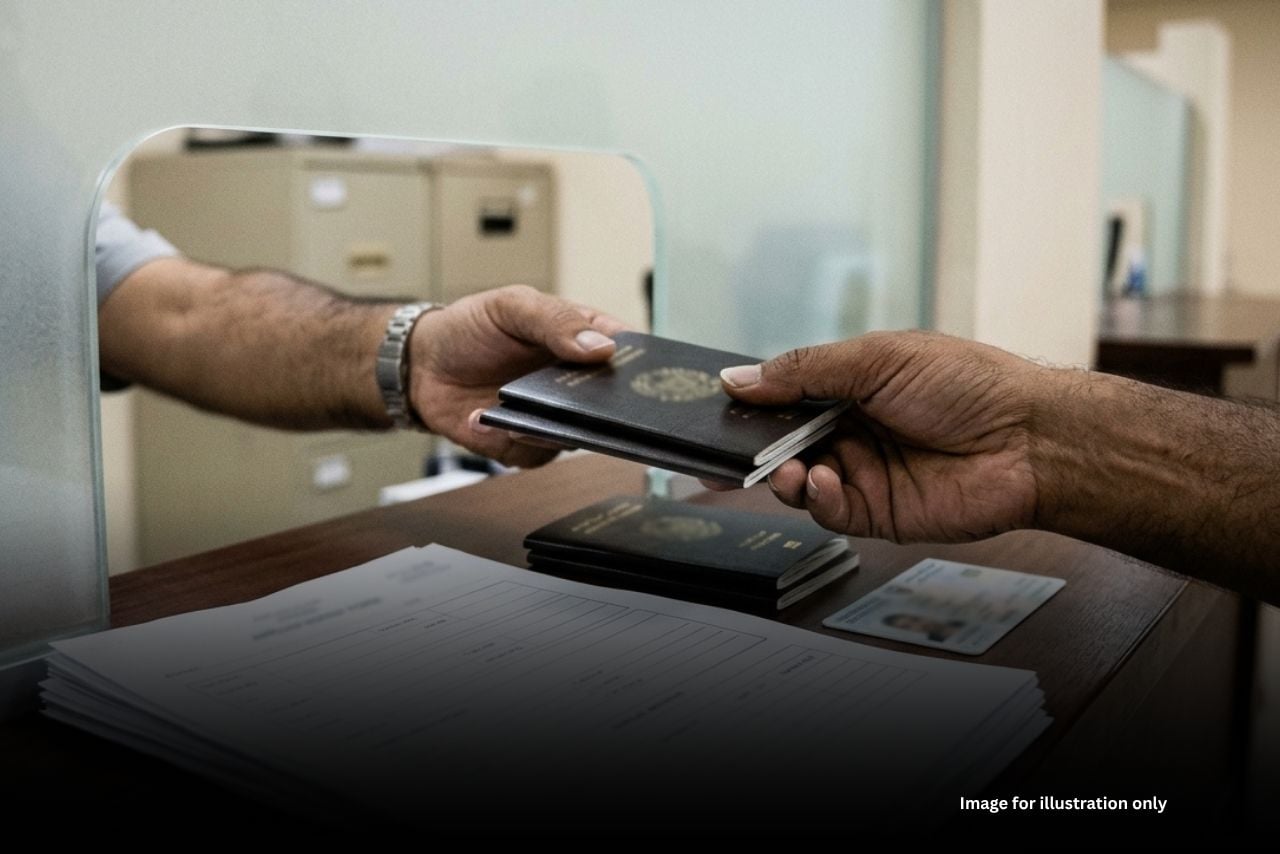
The same principle appears in Ministry Resolution No. 143/A/2010, Article 1, which bans employers from retaining workers’ passports. Kuwait’s Public Authority of Manpower (PAM) also tells employers that domestic workers are entitled to keep their passports and that employers may not seize them without the worker’s personal consent.
Domestic Workers: One Limited Exception
Domestic workers are covered by a separate framework. For domestic workers, passport confiscation laws are covered by Law No. 68 of 2015 and its executive regulations. Employers are generally not allowed to keep a domestic helper’s passport, civil ID, or other personal documents.
There is one exception. Under Ministerial Decision No. 22 of 2022, Article 23, an employer may keep a domestic worker’s passport and ID only if the worker gives explicit, voluntary consent.
- Consent must be freely given, not forced or obtained through threats.
- A domestic worker can refuse to hand over the passport and keep it personally.
- Even with consent, the passport remains the worker’s property.
This means that the consent allowing the employers to hold on to the domestic workers’ passport only works if the worker understands what they are agreeing to and is not pressured, threatened, deceived, or coerced. This is also only allowed for a domestic worker; private-sector workers do not have this consent exception, and employers are generally prohibited from holding their passports. Even when consent is given, the passport remains the worker’s property, and the worker may withdraw consent and request its return at any time.
Why Passport Retention Is Serious
A passport is not collateral, leverage, or a way to control where a worker goes. Keeping it can block someone from traveling, renewing documents, seeking help, or leaving a difficult job.
For Filipino domestic workers, bilateral agreements between Kuwait and the Philippines state that passports belong to the worker’s home government and should remain in the worker’s possession. The exact wording of the agreement was not independently verified in the available sources.
If Your Employer Refuses To Return It
Do not wait until you need to travel. Protect yourself with clear records and use official channels.
- Ask for the passport back in writing and keep a copy of the request.
- Say clearly that passport confiscation is prohibited under Kuwaiti labor rules.
- Keep copies of your contract, civil ID, passport, work permit, and messages.
- File a complaint with PAM if the employer continues to withhold it.
- Contact your embassy or consulate if you cannot recover the passport.
Remember: an employer has no general right to hold your passport. The only domestic-worker exception requires genuine consent—and even then, the document remains yours.