For OFWs flying home or returning to work abroad, one of NAIA’s biggest headaches could soon disappear: the long wait at immigration. Transportation Secretary Vince Dizon has proposed opening automated e-gates to all passengers, a move that could end routine face-to-face immigration interviews for travelers cleared by the system.
He raised the plan on October 30, ahead of the holiday travel rush. It is still only a proposal, with no rollout date announced.
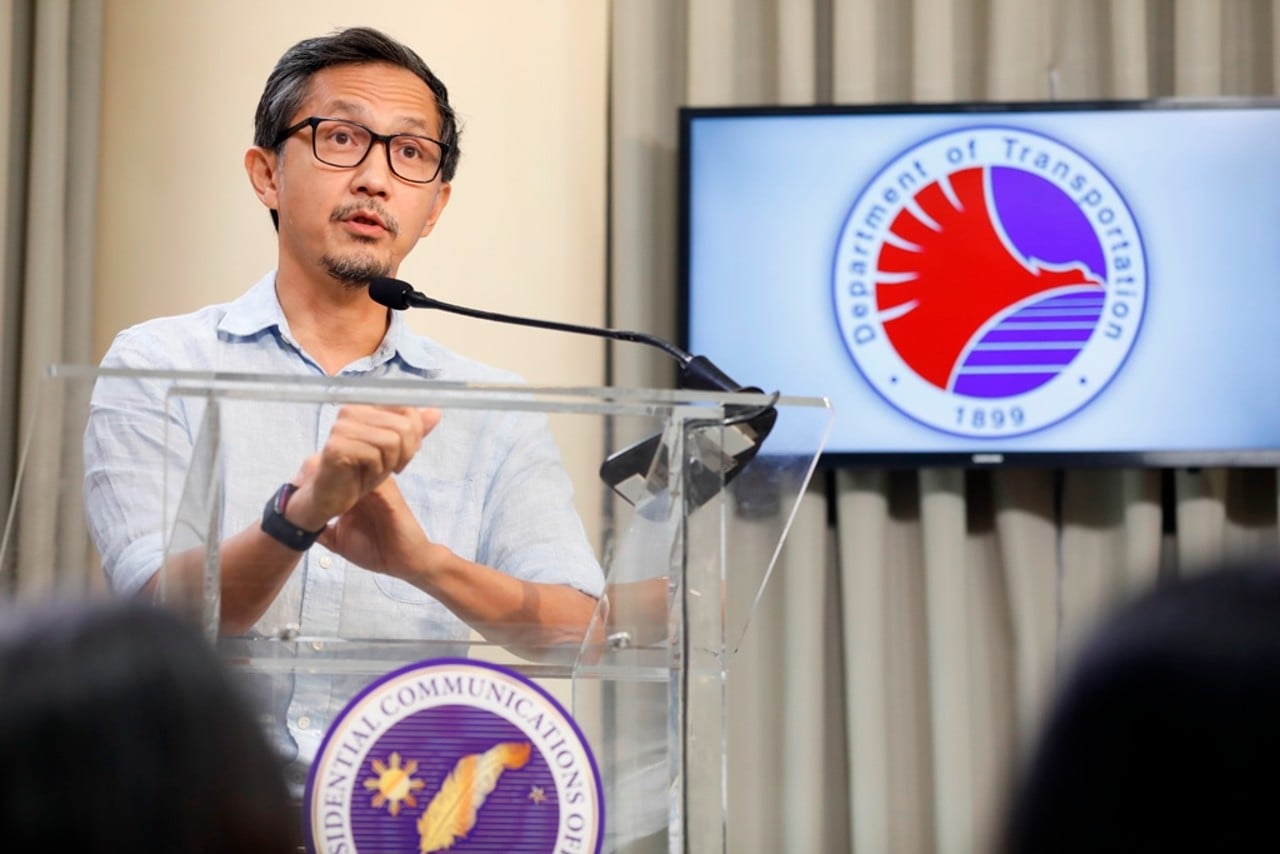
Under the proposal, e-gates would screen passengers electronically and flag anyone barred from leaving the country. Cleared travelers could pass through without a routine interview, while flagged passengers would still face further checks.
The Bureau of Immigration has already been expanding the technology. In May, it began a dry run of 18 additional e-gates at NAIA Terminal 3, raising the terminal’s total to 60; the BI said the units were intended for arriving Filipinos and departing OFWs on airlines that meet the Advance Passenger Information requirement.
Who Can Use E-Gates Now
Not every traveler can skip the immigration counter yet. Current e-gate access covers specific groups.
- Departures: Registered OFWs and Balik-Manggagawa workers, including seafarers and land-based workers.
- Foreign nationals: Those admitted under the 30-day visa-free arrangement who have not extended their stay.
- First-time Filipino immigrants: Travelers holding a valid Commission on Filipinos Overseas certificate.
- Balikbayan Program passengers: Foreign passport holders admitted under the program.
- Filipino tourists: Those with previous short-term overseas travel of no more than 90 days who have not been repatriated.
- Arrivals: Filipino passengers only.
All other travelers must use regular immigration counters.
What Would Change
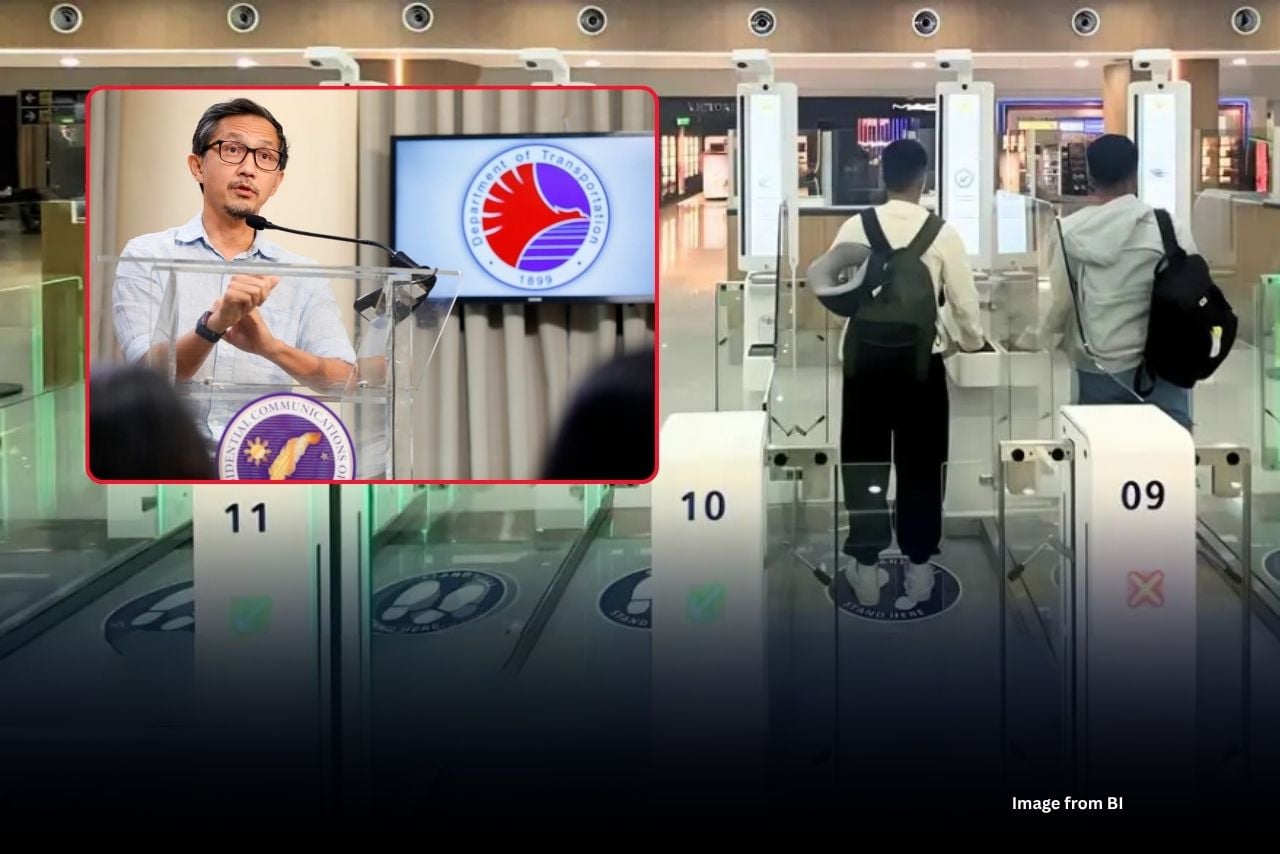
Dizon wants e-gates to become the default immigration channel at NAIA rather than a privilege limited to selected travelers. Under the proposal, passengers who pass automated screening would bypass routine manual interviews, while those flagged by the system would still face further checks.
- E-gates would be open to all arriving and departing passengers.
- Routine interviews would be replaced by automated screening.
- Passengers with travel restrictions or system flags would still be pulled aside.
- Immigration clearance rules and departure prohibitions would remain.
If approved, the change would matter most to arriving and departing passengers rushing through NAIA between contracts, vacations, and emergency trips. Instead of a default manual interview, electronic screening would decide who can proceed and who needs closer inspection.
A worker returning to their job abroad—or any overseas job—could clear immigration through an e-gate instead of lining up for a manual interview, provided the system clears them.
DOTr has previously said additional e-gates were intended to reduce queues and improve passenger flow, with deployment planned before the 2025 year-end travel surge.
- E-gates use biometric verification to automate immigration checks.
- The government says automation can speed processing while maintaining border-security standards.
- Dizon argued that better coordination and technology can materially improve passenger movement at NAIA.
No Date Yet
The proposal has not been implemented, and officials have not said when—or whether—it will take effect. It is also unclear what technical upgrades and security safeguards would be required before every passenger can use the gates.
Until new rules are issued, OFWs and other travelers should follow the existing e-gate requirements. The BI’s official announcement on the NAIA Terminal 3 rollout remains the key public reference for how the system is being expanded.
For the Filipinos who are flying through NAIA, the promise is straightforward: less time in line, more time before boarding. Whether NAIA can deliver that promise to every passenger remains to be seen.