Around 20,000 overseas Filipino workers (OFWs) affected by the United States and Israel’s war on Iran have received $200 each from the Department of Migrant Workers (DMW), bringing the total cash aid disbursed to more than P250 million. The assistance was given to OFWs who lost jobs, faced reduced work hours, were placed on unpaid leave, or suffered income disruptions during the conflict.
For OFWs in Kuwait and other parts of the Middle East, the assistance is a reminder that sudden disruptions abroad can affect even those who manage to keep their jobs.
Some workers saw their hours cut, while others were placed on unpaid leave or lost employment entirely. DMW Secretary Hans Leo Cacdac said the hospitality and construction sectors were particularly affected during the conflict’s peak from March to May.
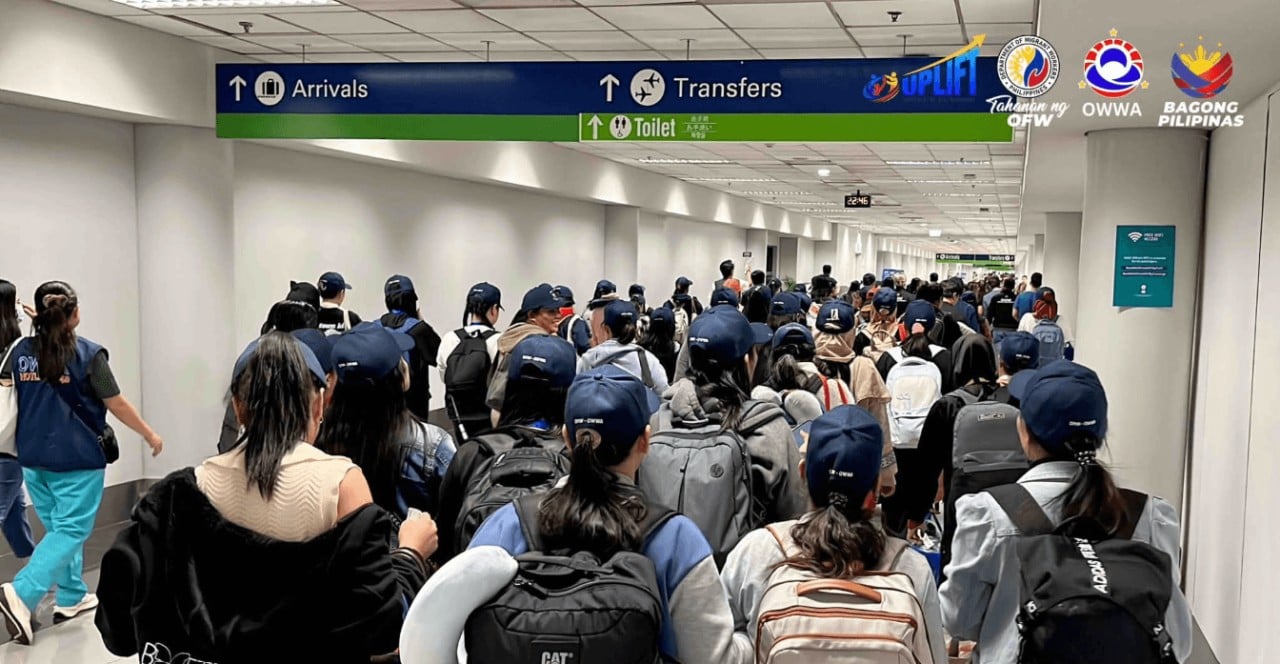
The government also assisted about 12,000 OFWs in returning to the Philippines, alongside on-site, repatriation, and reintegration support. The $200 assistance was rolled out in April 2026 under simplified DMW guidelines for qualified distressed OFWs.
Who Received The Aid
The DMW first announced the program on April 19, 2026. Under its official advisory, the agency said the $200 assistance would go to qualified distressed OFWs in the Middle East directly affected by the US/Israel-Iran conflict. The DMW said it simplified the process so affected workers could receive support faster. The agency also said that this cash assistance covered OFWs who experienced any of the following:
- Job loss
- Reduced work hours
- Fewer work days
- Unpaid forced leave
- Income disruption linked to the conflict
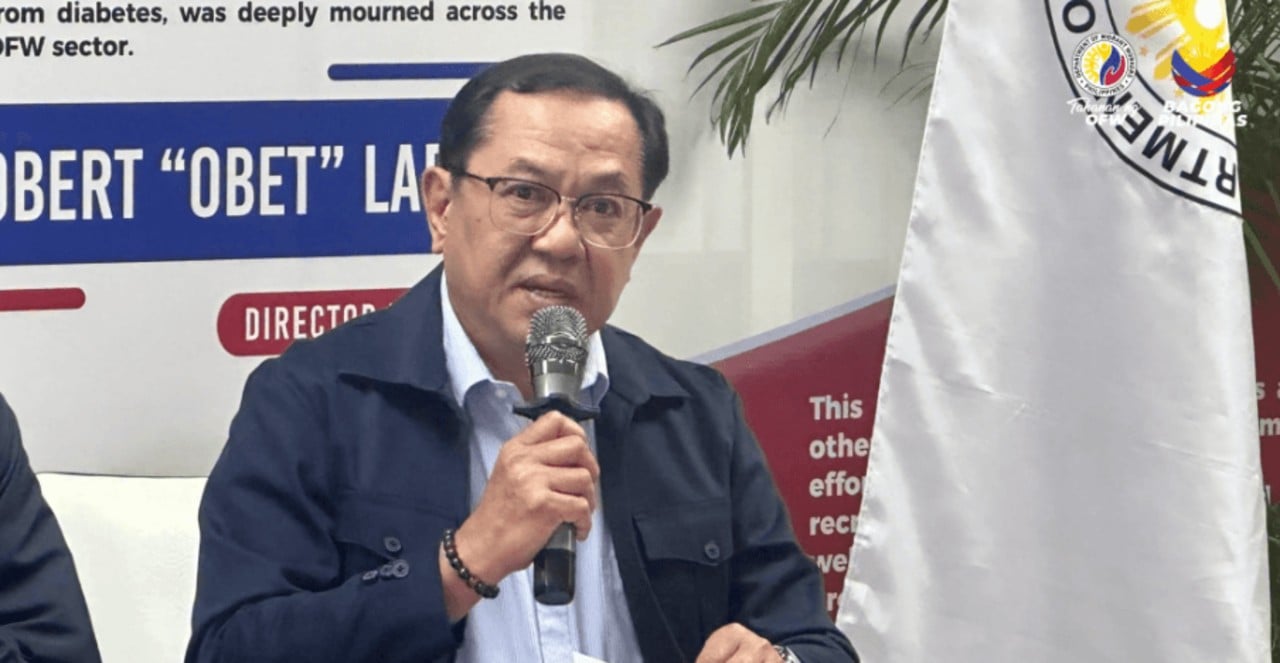
In an October 21, 2026 media briefing, Cacdac announced that around 20,000 OFWs had already received the $200 assistance, which he described as roughly P12,564.40. He said the attacks in the Middle East particularly disrupted the hospitality and construction sectors, especially from March to May. The hospitality sector, according to the DMW chief, has since been gradually recovering.
They did not release an actual breakdown of beneficiaries by sector, employer, or country. Still, the figure shows how widespread the impact was among Filipino workers in the region.
12,000 OFWs Brought Home
Beyond the $200 aid, the government also helped repatriate about 12,000 OFWs from the affected areas.
Those who returned received on-site assistance, repatriation support, and post-arrival and reintegration services. The DMW also records each worker’s skills, previous overseas job, and employment preferences to help match them with local jobs, livelihood programs, or training.
For workers thinking about coming home, this means assistance does not end at the airport. The government says it is also preparing them for their next source of income.
Training For Returning OFWs
Returning OFWs may join upskilling programs, especially in hospitality and construction—the same sectors affected by the conflict.
The DMW’s reintegration program also includes medical and psychosocial support, local employment assistance, overseas redeployment, and livelihood opportunities.
Watch the video below to learn more about it:
What OFWs Should Know
OFWs facing reduced hours, unpaid leave, or job loss should document what happened and seek help early. Workers may contact the Philippine Embassy in their host country, the Migrant Workers Office (MWO), or the DMW through its official channels.
The assistance was released through the DMW AKSYON Fund, which provides immediate legal, medical, financial, and humanitarian support to distressed OFWs and their families. According to the guidelines for AKSYON Fund, $200 is also available to:
- OFW in distress seeking assistance from the MWO in urgent need of food, medicine or transportation assistance.
- OFW under the custody of the MWO and scheduled for repatriation to the Philippines
For many OFWs, $200 may not replace months of lost income. But for those caught in a crisis far from home, it can help cover urgent needs while they recover, return home, or look for their next job.