If you work in Kuwait, a warning letter, salary deduction, suspension, or dismissal can change your income and residency plans overnight. But your employer cannot simply decide on a punishment and impose it. Kuwait’s labour rules set limits on what counts as a violation, how discipline must be handled, and what you can do when the company breaks the law.
The rules apply to private-sector workers, including many OFWs and other expatriates. They are based on Kuwait Labour Law No. 6 of 2010 and related regulations, with the Public Authority for Manpower (PAM) overseeing complaints and labour-market compliance.
PAM also gives workers a way to raise concerns. Its official employment-services page includes complaint registration and labour-relations inquiry services.
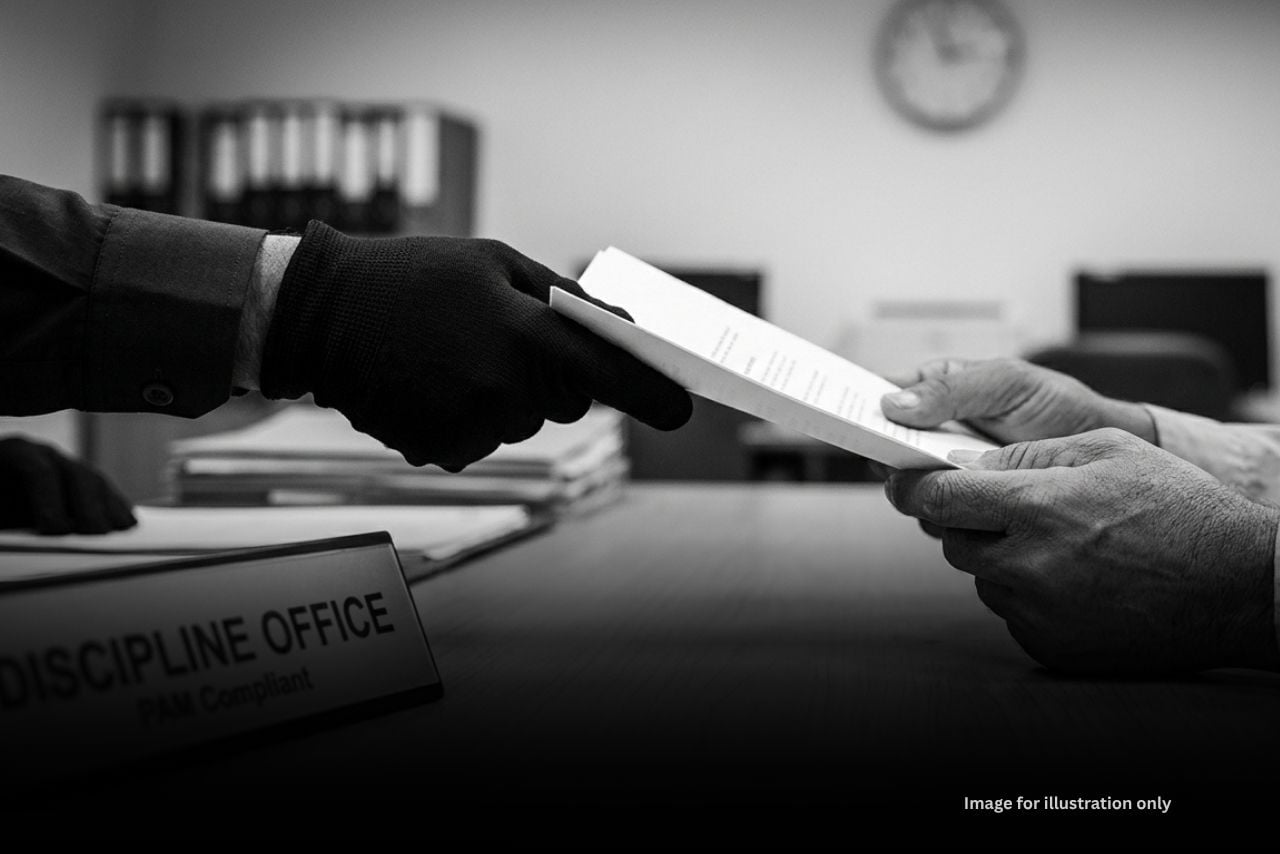
When Your Employer Can Penalise You
An employer may take action if a worker commits a clear workplace violation. Common examples include:
- Repeated unexcused absences or absence without a valid reason.
- Negligence that causes major financial loss, damages company property, or breaches safety rules.
- Refusing lawful work instructions or ignoring company discipline and safety rules.
- Sharing confidential business, technical, or trade secrets.
- Conviction for an offence involving dishonesty, breach of trust, or public morality.
- Using fake certificates, false identities, or fraudulent documents to get or keep a job.
A violation does not automatically mean dismissal. The employer should investigate, keep records, and apply a penalty that fits the misconduct.
The Penalties Allowed By Law
Kuwaiti labour law recognises four main disciplinary measures: written warning, salary deduction, suspension, and dismissal.
- Written warning: A formal notice identifying the violation and warning against repetition.
- Salary deduction: Allowed only within legal limits, and only after the worker is informed in writing.
- Suspension: A temporary stop from work, with the reason and duration documented.
- Dismissal: The most serious penalty, generally for grave misconduct or repeated violations.
Your employer cannot keep adding penalties for the same offence. The law also requires companies to display their penalty rules and make the list of fines available to PAM.
Salary Deductions Have Limits
This is where many workers get caught off guard. For a disciplinary violation, an employer cannot deduct more than the equivalent of five days’ wages in one month. Anything beyond that must be carried to a later month. You must be notified in writing and given a chance to explain your side. Deductions also cannot push your pay below the legal minimum and must follow a specific deduction percentage.
What Your Employer Cannot Do
Some practices are off-limits, no matter what a company policy says:
- Collective deductions affecting groups of workers.
- Physical punishment, assault, or unlawful detention.
- Discriminatory discipline based on race, gender, religion, or nationality.
- Penalties imposed without notice, investigation, or a chance to defend yourself.
If these safeguards are skipped, the disciplinary action can be challenged.
Violations You Can Report Against Your Employer
The law is not only about worker misconduct. You can also raise concerns if your employer:
- Pays salaries late or does not pay them at all.
- Withholds end-of-service benefits or indemnity.
- Terminates you without legal cause, notice, or due process.
- Discriminates against you or harasses you, including online.
- Blocks a legal job transfer or files a false absconding or misconduct report.
- Breaks rules on working hours, attendance records, residency, permits, or workplace safety.
Standard private-sector working hours are eight hours a day and 48 hours a week, with shorter weekly hours during Ramadan. Overtime is generally limited to two hours a day, three days a week, 180 hours a year, or 90 days a year, and workers are entitled to overtime pay.
What Can Happen To Employers
An employer who violates labour rules may face suspension of its labour file with PAM, fines, referral to authorities, or a court order to pay compensation.
In serious cases—such as forced labour or major safety failures—the matter can lead to criminal liability. Labour courts can also order payment of unpaid wages, indemnity, or other compensation.
What To Do If You Are Affected
PAM distinguishes between a personal labour complaint and a report about a suspected violation. A complaint deals with your own employment rights, while a violation report flags a breach of labour rules.
Keep your contract, payslips, attendance records, warning letters, and messages with your employer. Before signing any settlement or accepting a penalty, seek advice from PAM, a lawyer, or your embassy or consulate.